What is a Purchase Agreement?
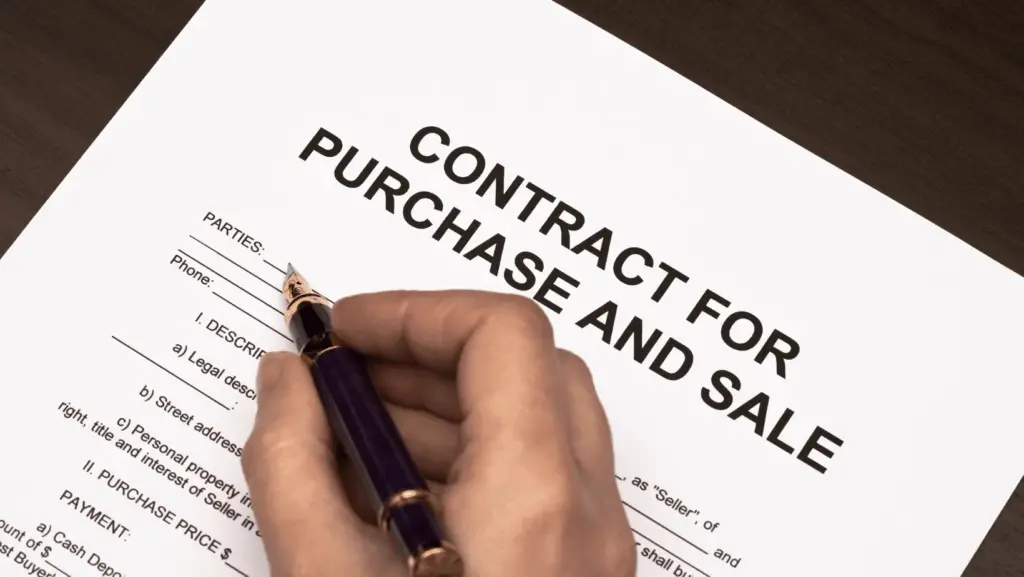
A purchase agreement is a legal document that details the terms and conditions under which a property will be sold. It acts as a roadmap for the transaction, ensuring both the buyer and the seller know exactly what to expect throughout the process. Think of it as the rulebook for the property sale.
Key Components of a Purchase Agreement
Property Description
- The purchase agreement must clearly describe the property being sold. This includes the address, legal description, and any buildings or structures included in the sale. For instance, it will list items like built-in appliances, lighting fixtures, and even landscaping that are part of the sale.
- Purchase Price
- The purchase price is the amount the buyer agrees to pay for the property. This section of the agreement will also include details on how the payment will be made, whether in cash, through a mortgage, or other financing options.
Earnest Money Deposit
- This is a deposit made by the buyer to show they are serious about purchasing the property. It’s usually held in an escrow account and will be applied to the purchase price at closing. If the deal falls through due to the buyer’s fault, the seller may keep this deposit as compensation. Typically 1% of the purchase price is suggested. Some might not see the EMD as necessary, but if multiple offers come in at the same purchase price, the larger EMD offer will probably win!
Financing Terms
- If the buyer is using a mortgage to finance the purchase, the agreement will outline the type of mortgage, interest rate, and the percentage of the purchase price being financed. It may also specify what happens if the buyer cannot secure financing by a certain date.
Contingencies
- Contingencies are conditions that must be met for the sale to proceed. Common contingencies include the buyer obtaining financing, the property passing inspection, and the buyer selling their current home. If these conditions aren’t met, the buyer can back out of the deal without losing their earnest money. These should be tailored to your risk-tolerance and every deal calls for different contingencies, there’s no one size fits all.
Property Condition and Inspections
- The agreement usually includes a clause that allows the buyer to have the property inspected. If the inspection reveals significant issues, the buyer can request repairs, ask for a reduction in the purchase price, or even cancel the agreement.
Closing Date
- The closing date is when the sale of the property is finalized. On this day, the buyer will pay the seller, and the seller will transfer ownership of the property to the buyer. The purchase agreement will specify a deadline for closing. Closing should only occur once all parties have followed everything outlined in the purchase agreement and the buyer has received the “clear to close” from their lender. Closing date is usually from 14-60 days after the offer date depending on how complicated the deal is.
Title and Survey Contingency
- The seller must provide the buyer with a clear title to the property, usually the seller pays for the owner’s title policy and the buyer pays for the lender’s title policy. This means there are no legal issues, like unpaid taxes or liens, that could prevent the sale. A survey may also be required to confirm the property’s boundaries.
Occupancy and Possession
- This section outlines when the buyer will take possession of the property. Sometimes, the seller may need extra time after closing to move out, which can be negotiated in the purchase agreement.
Disclosures
- The seller is required to disclose any known issues with the property, such as a leaky roof or problems with the plumbing. These disclosures help protect the buyer from unexpected repairs after purchasing the home. In Michigan, a seller’s disclosure is required for residential properties (one to four units) – it is NOT required for vacant land. If you are a seller of vacant land, even if your agent asks you to complete the disclosure, you do NOT need to.

Why is a Purchase Agreement Important?
A purchase agreement protects both the buyer and the seller by clearly outlining the expectations and obligations of each party. For buyers, it ensures that they are getting what they paid for and that the seller cannot change the terms of the sale after the agreement is signed. For sellers, it provides a level of certainty that the buyer is committed to the purchase.
Special Considerations in Michigan
In Michigan, as with other states, there are specific regulations and practices that govern real estate transactions. A Purchase Agreement from a real estate agent can include several contingencies and clauses that reflect state laws and standard practices.
- Well and Septic System Inspections: If the property has a well and/or septic system, the seller is often required to provide an inspection report to the buyer. This ensures that these critical systems are functioning properly before the sale is finalized.
- Land Division Rights: In some cases, the buyer might want to know if they can divide the land for future development. The agreement will specify whether the buyer is entitled to any land division rights.
- Property Taxes: In Michigan, property taxes can be prorated, meaning the buyer and seller will each pay a portion of the taxes based on how long they owned the property during the tax year. The agreement will detail how this proration will be handled.
What Happens if Something Goes Wrong?
If either party fails to meet their obligations under the purchase agreement, the contract may be considered breached. For example, if the buyer cannot secure financing by the agreed-upon date, the seller might have the right to keep the earnest money deposit and cancel the agreement. Conversely, if the seller fails to provide clear title or make agreed-upon repairs, the buyer could potentially back out of the deal or seek legal remedies.

The Role of Real Estate Agents
Real estate agents play a critical role in the purchase agreement process. They help draft the agreement, negotiate terms, and ensure that both the buyer and the seller understand their rights and obligations. Agents also assist with the coordination of inspections, appraisals, and the closing process.
In Michigan, real estate agents are often responsible for explaining the details of the purchase agreement to their clients, ensuring that everything is in order before the document is signed. This helps prevent misunderstandings and legal disputes later on.
Common Mistakes to Avoid
- Not Reading the Agreement Thoroughly: Buyers and sellers should carefully read the entire purchase agreement before signing. It’s easy to overlook important details, which could lead to problems down the road.
- Ignoring Contingency Deadlines: Many purchase agreements have strict deadlines for completing inspections, securing financing, and other contingencies. Missing these deadlines can result in the loss of earnest money or even the entire deal.
- Failing to Secure Financing: Buyers should ensure they are pre-approved for financing before making an offer. If financing falls through, they could lose their earnest money and the opportunity to purchase the property.
- Overlooking Title Issues: It’s crucial to resolve any title issues before closing. This ensures that the buyer receives clear ownership of the property without any legal complications.
Conclusion
A purchase agreement is the most important documents in the home-buying process. It sets the stage for a smooth transaction by clearly outlining the terms of the sale, protecting both the buyer and the seller from potential pitfalls. In Michigan, there are additional considerations to keep in mind, such as well and septic inspections, land division rights, and property tax proration.
As a seasoned real estate professional, I’ve seen firsthand how a well-drafted purchase agreement can make the difference between a successful sale and a deal that falls apart. Whether you’re a buyer, seller, or fellow agent, understanding the ins and outs of the purchase agreement is key to a smooth and successful real estate transaction.
If you have any questions about purchase agreements or need assistance with your next real estate transaction, don’t hesitate to reach out. Your home-buying journey is an exciting time, and I’m here to help you navigate it with confidence.